The Collection
Golf course homes at Providence.
Residences framed by fairways, hardwoods, and the quiet activity of a working private club.
Providence Guide editorial teamReviewed August 2026
The Providence neighborhood was laid out around an 18-hole, par-72 course designed by Dan Maples and opened in 1989. Homes that back onto that routing are the community's most recognisable addresses — and the ones where a careful buyer has the most to check, because the view, the privacy and the exposure to play all change from one lot to the next.
How the course shapes each lot.
The course has been reworked more than once. The club credits Mike Gleason with a later redesign, and in 2018 McConnell Golf — which bought the club in 2016 — brought in architect Kris Spence to rebuild the greens with Champion Bermuda, restore the bunkers and expand irrigation. Published accounts of that project describe hundreds of trees being removed to improve airflow. For homeowners that means some rear views are more open than they were a decade ago. See our guide to the Dan Maples course for the full history.
What defines the best golf course homes.
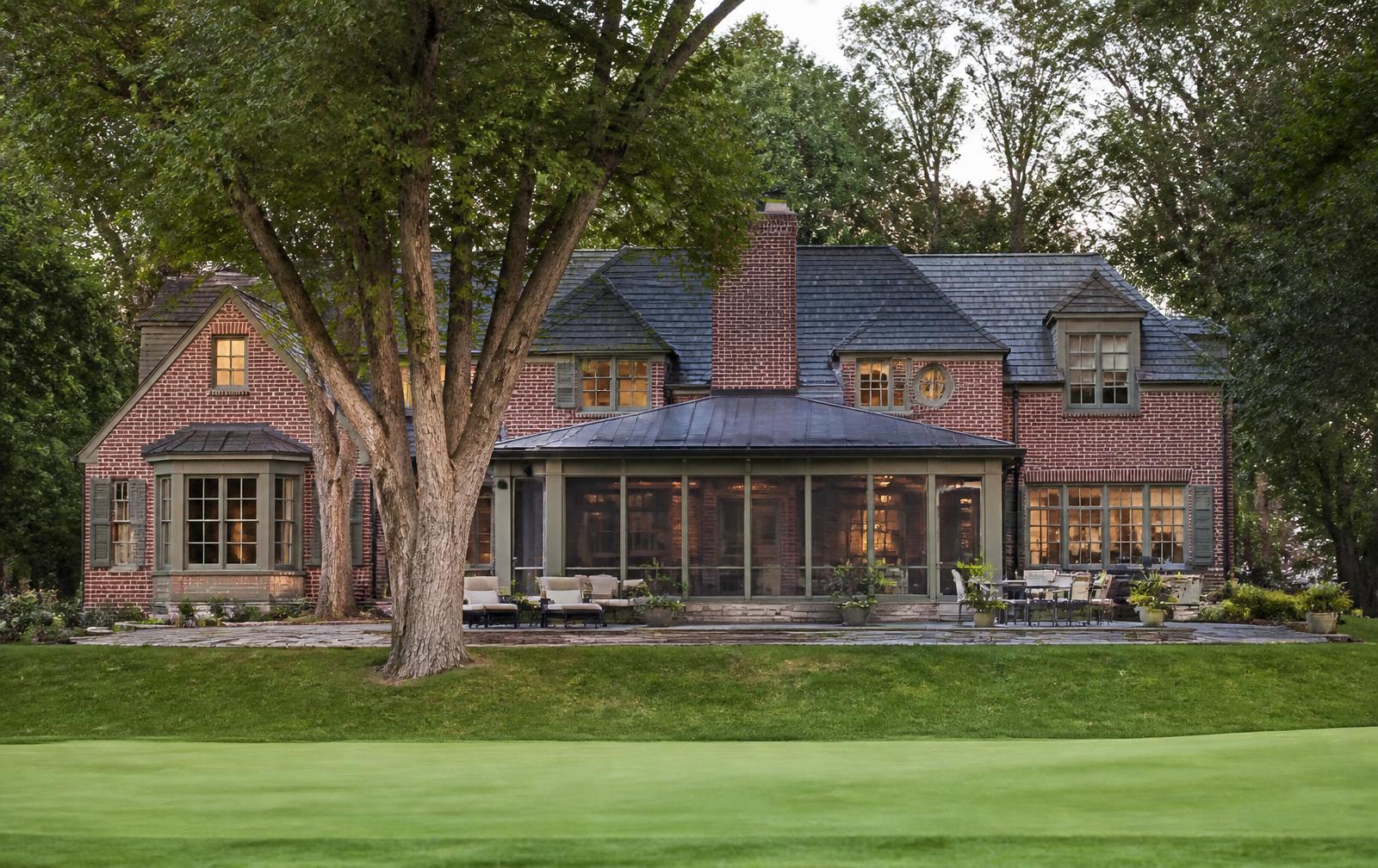
The homes that hold their value best usually share a few traits: gentle elevation that lifts the main living spaces above the fairway; a rear elevation designed for the view rather than merely open to it; and outdoor living — screened porches, terraces, pools — that treats the course as a borrowed garden.
- Views across a green complex or down a fairway corridor
- Rear elevations with generous glazing and covered outdoor rooms
- Pool and terrace sightlines that borrow from the course landscape
- Lower-level walkouts to gardens on sloping lots
- Privacy from mature planting or grade separation
Position on the hole matters.
Two homes on the same fairway can live very differently. Lots behind a green are usually calm and scenic. Lots beside a tee hear every group start. Lots along the landing area of a long hole — particularly on the side where a right-handed slice finishes — see the most stray balls. None of this is a reason to avoid frontage; it is a reason to stand in the yard on a Saturday morning before you write an offer.
- Look for ball marks on siding, gutters and window frames
- Ask what netting, plantings or glass upgrades previous owners added
- Check maintenance-cart routes and early-morning mowing near the lot
- Confirm the boundary between private yard and course property on the survey
Renovation opportunities.
Many of Providence's golf course homes were built in the community's first decade. Reworking the rear of the house — larger openings, a covered outdoor room, a kitchen that faces the course — is often the single change that does the most for daily life and resale. Our outdoor living guide and renovation guide cover what to plan first.
What to verify before you buy.
- Membership: frontage never includes club access — confirm directly with the club
- Survey and easements along the course boundary
- HOA covenants for fences, pools and exterior changes on course-facing lots — see the HOA guide
- Homeowner's insurance treatment of glass and roof damage from golf balls
- Drainage toward the course on lower lots
Do golf course homes at Providence command a premium?+
Generally, yes. Course frontage tends to be priced above comparable interior homes, but the premium varies with the hole, the depth of the view, privacy and the condition of the house. Compare recent closed sales of similar frontage.
Does a golf course home include club membership or golf access?+
No. Living on the course does not grant membership, playing privileges or transferable rights. Membership is a separate decision made directly with Providence Country Club.
How does course play affect privacy and safety?+
It depends on the hole and the lot. Homes beside a tee or along the right side of a driving hole see more stray balls than homes behind a green. Visit at busy tee times and look for ball marks on siding and windows.
Did the 2018 course renovation change the views?+
The 2018 renovation by Kris Spence rebuilt the greens and bunkers, and published accounts report hundreds of trees were removed to improve airflow and turf. Some sightlines opened as a result, so judge each view as it exists today.